
Last updated 2026-06-09 by Roar Safaris.
There are few journeys in the world that feel as powerful as a safari in Kenya. Not just because of the wildlife, and not only because of the landscapes, but because Kenya has a way of pulling you out of ordinary life and placing you inside something ancient, raw, beautiful, and deeply alive.
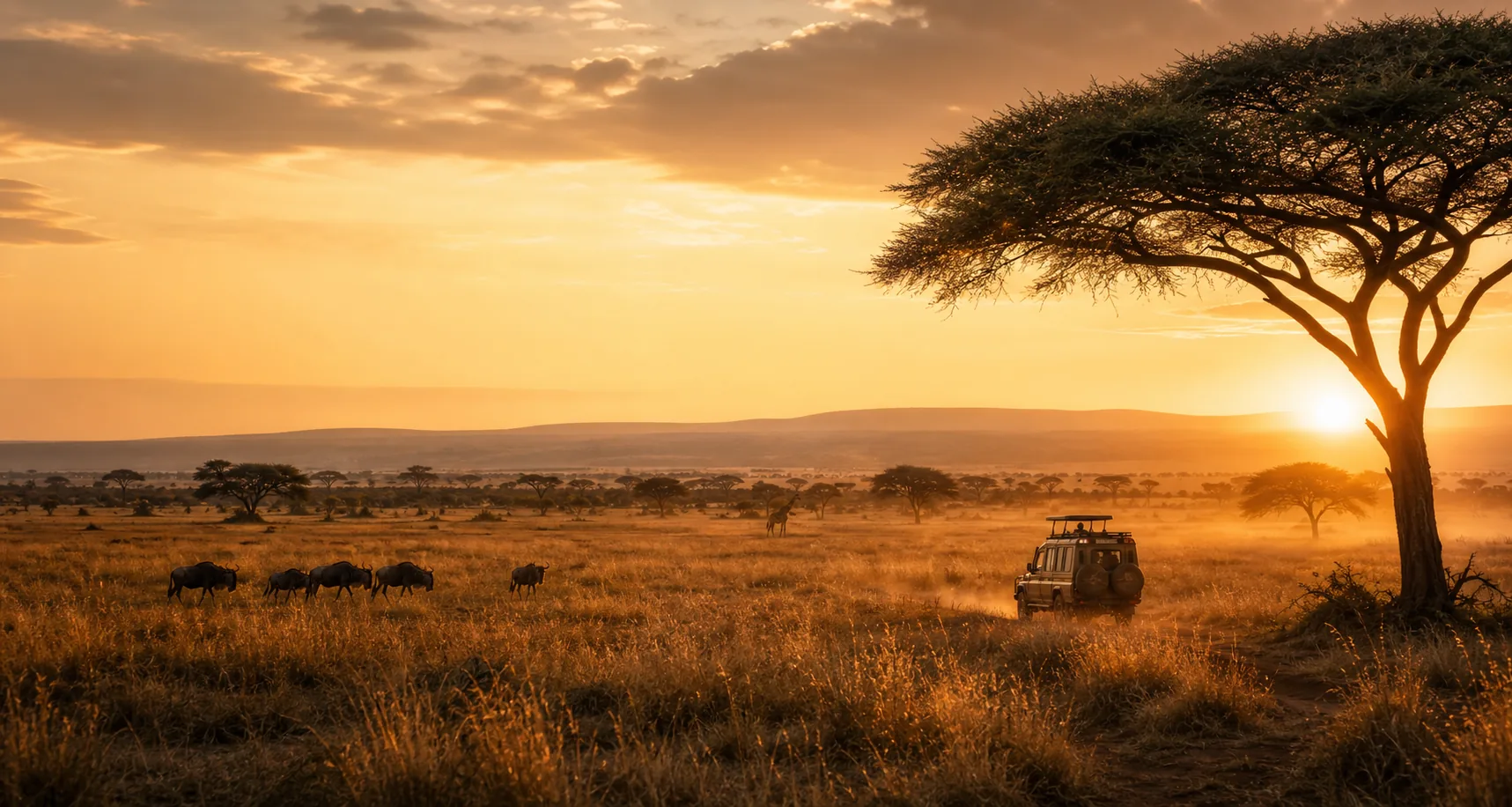
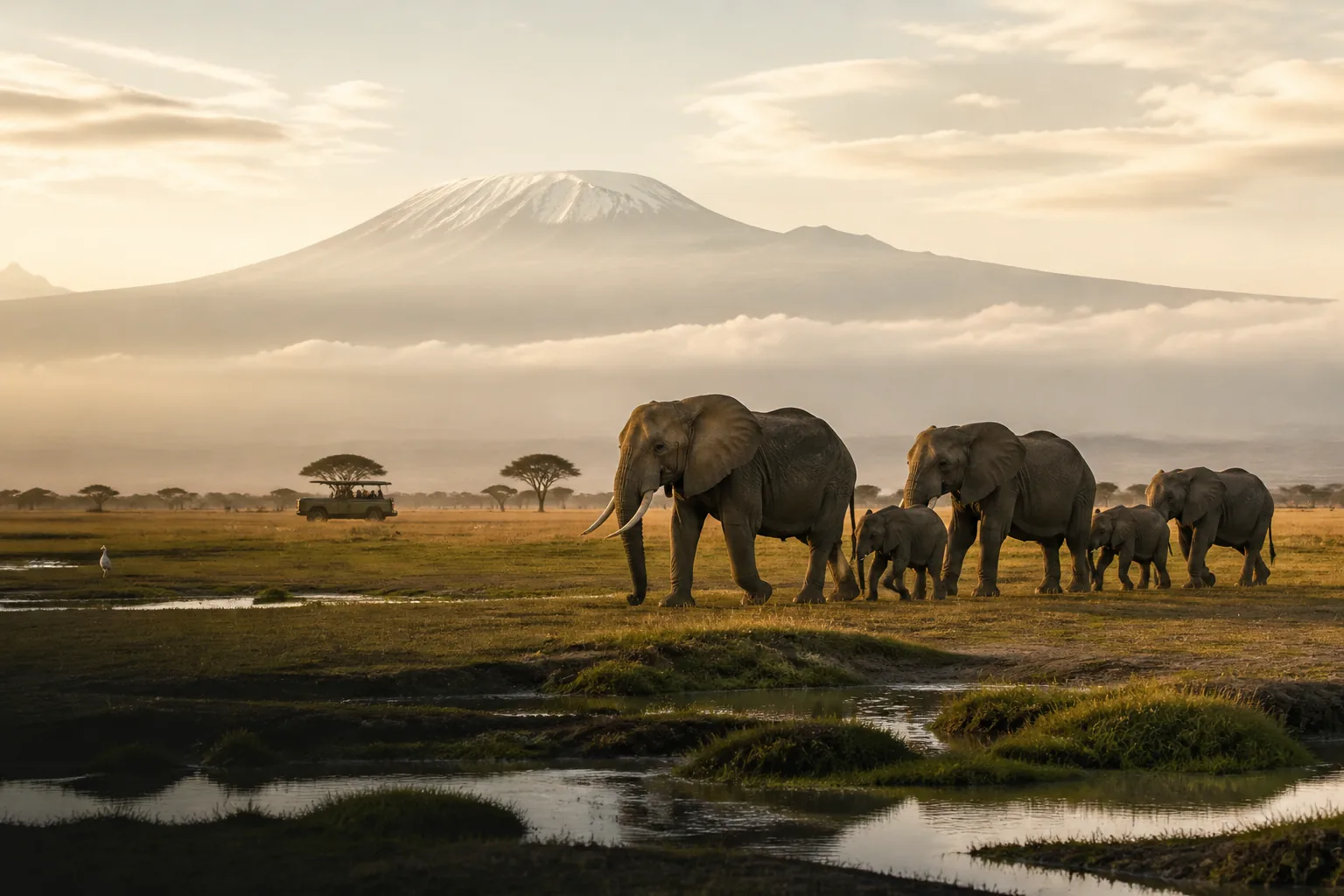
One morning, you may wake before sunrise in the Maasai Mara, step into the cool silence of the savannah, and watch the sky turn gold behind a line of acacia trees. By mid-morning, you could be tracking lions across open plains. In Amboseli, elephants move slowly beneath the shadow of Mount Kilimanjaro. In Tsavo, the wilderness feels endless. After the safari dust settles, the Indian Ocean waits with warm tides, Swahili culture, white beaches, and quiet luxury.
A Kenya safari is not one single experience. It can be wild and adventurous, private and luxurious, family-friendly, romantic, photographic, cultural, coastal, remote, or deeply restorative. The real beauty is that Kenya allows you to design the journey around the kind of traveler you are.
Planning note: if you already know the kind of journey you want, explore Roar Safaris experiences for Maasai Mara safaris, Amboseli safaris, Tsavo safaris, luxury safaris, family safaris, and Kenya beach safari extensions.
For more detail, continue with our focused guides on the best time to visit Kenya for safari, top safari parks in Kenya, Kenya safari costs, itinerary ideas, and safari and beach holidays.
Why Kenya Is One of the World's Best Safari Destinations
Kenya is one of the original homes of the African safari. The word safari comes from the Swahili word for journey, and in Kenya that meaning still feels alive.
What makes Kenya special is variety. You can experience the open grasslands of the Maasai Mara, the elephant herds of Amboseli, the red-earth wilderness of Tsavo, the dramatic dry landscapes of Samburu, the flamingo-toned lakes of the Rift Valley, the private conservancies of Laikipia, and the beaches of Diani, Lamu, Mombasa, Watamu, and Malindi.
Few countries offer such a complete combination of wildlife, landscapes, culture, luxury lodges, private camps, family-friendly routes, and beach extensions. Kenya is also one of the best countries for first-time safari travelers because the safari infrastructure is well developed: professional guides, domestic flights, strong lodge networks, private conservancies, and well-known circuits make planning easier.
For experienced travelers, Kenya still has depth: conservancy safaris, walking safaris, fly-in routes, photographic safaris, horseback experiences, cultural journeys, and remote wilderness stays.
Best Time to Go on Safari in Kenya
Kenya is a year-round safari destination, but the experience changes by season. The best time depends on what matters most to you: wildlife visibility, fewer crowds, better prices, green landscapes, photography, the Great Migration, or a safari-and-beach combination.
June to October: classic dry season safari
June to October is widely considered one of the best periods for safaris in Kenya. Vegetation is thinner, water sources reduce, and animals are easier to spot as they gather around rivers, waterholes, and open plains. This period is especially popular for the Maasai Mara because it overlaps with the Great Migration season. The trade-off is higher demand and premium pricing.
January to March: warm, clear, and often underrated
January to March is another beautiful time for safari. Weather is usually warm and relatively dry, visibility is good, and many destinations offer excellent wildlife experiences without the intensity of peak migration demand. It is also strong for combining safari with the Kenyan coast.
April to May: green season and lower prices
April and May are the long rainy season in many parts of Kenya. Some camps may close and roads can be affected, but the landscapes become lush, skies are dramatic, birdlife is excellent, and rates can be more attractive. This works best for flexible travelers and photographers.
November to early December: short rains and fresh landscapes
The short rains refresh the landscape after peak season. Crowds reduce, prices may soften, and the scenery begins to turn green again. Late December becomes busy because of festive travel, so early booking matters.
Best Safari Parks and Destinations in Kenya
Choosing the right park matters because it shapes the entire mood of your journey.
Maasai Mara National Reserve and Mara Conservancies
The Maasai Mara is Kenya's most famous safari destination: open plains, big cats, dramatic skies, Maasai culture, and the Great Migration. It is ideal for first-time safari travelers, photographers, and anyone who wants the classic safari image. Private conservancies around the reserve can offer a more exclusive atmosphere, lower vehicle density, and activities such as guided walks or night drives where permitted. Explore Roar Safaris' Maasai Mara Safari page for a deeper experience overview.
Amboseli National Park
Amboseli is famous for elephants and views of Mount Kilimanjaro. The landscape is open, wildlife is rewarding, and the park works well as a standalone safari from Nairobi or as part of a longer route. It is excellent for photographers, families, and elephant lovers. See our Amboseli Safari guide.
Tsavo East and Tsavo West
Tsavo is enormous, wild, and less polished than some of Kenya's more famous parks. Tsavo East is known for wide landscapes and red-dust elephants, while Tsavo West offers volcanic scenery, rocky hills, springs, and dramatic terrain. It is especially strong for safari-and-beach routes from Mombasa, Diani, Watamu, and Malindi. Read more on our Tsavo Safari page.
Lake Nakuru, Lake Naivasha, Samburu, and Laikipia
Lake Nakuru is known for rhinos, birdlife, and Rift Valley scenery. Lake Naivasha adds boat rides, hippos, and a softer stop between safari regions. Samburu feels remote and dramatic, with unique northern species such as Grevy's zebra, reticulated giraffe, gerenuk, Beisa oryx, and Somali ostrich. Laikipia and Ol Pejeta bring private conservancy experiences, rhino conservation, walking safaris, and luxury lodges.
The Kenyan Coast
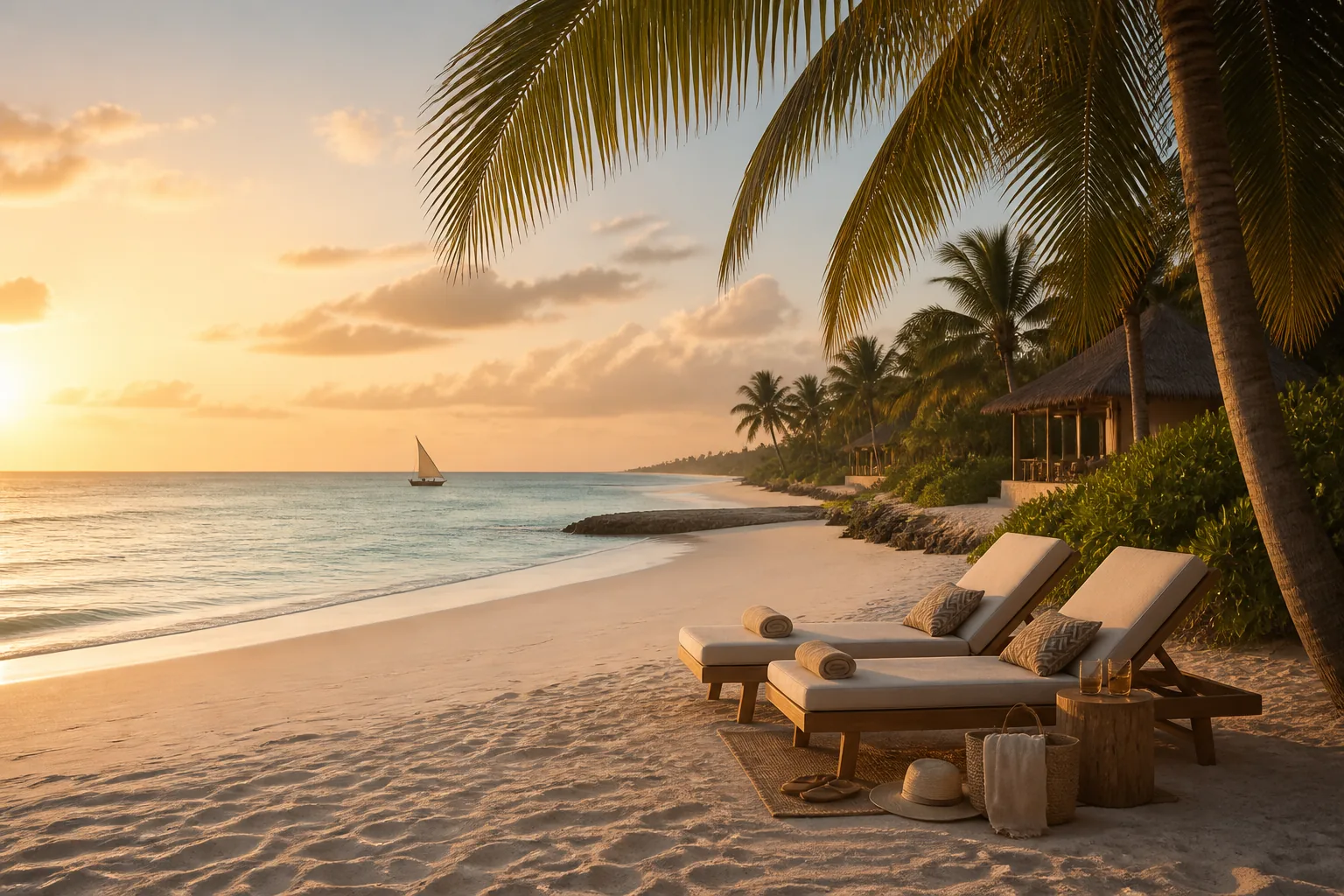
A Kenya safari does not have to end in the bush. Diani offers white sand and resort-style luxury. Mombasa brings history and Swahili influence. Lamu feels timeless and quiet. Watamu is excellent for marine life and relaxed coastal charm. For many travelers, the perfect journey is bush first, beach second. Explore Kenya Beach Safari options.
How Much Does a Safari in Kenya Cost?
The cost of a Kenya safari depends on season, destination, accommodation level, transport style, park fees, group size, length of stay, and whether you choose a road safari or fly-in safari. There is no single fixed price because safari travel is highly customizable.
Budget safari
A budget safari usually includes shared transport, simpler accommodation, group departures, and basic lodges or camps. It can work for travelers who want wildlife without spending heavily, but expectations around comfort, privacy, food, flexibility, and vehicle quality should be realistic.
Mid-range safari
Mid-range safaris offer a strong balance of comfort and cost: better lodges or tented camps, good guiding, and smoother routing. This is often ideal for couples, families, and first-time safari travelers who want value without losing comfort.
Luxury safari
A luxury safari in Kenya is about more than accommodation. You are paying for location, guiding, privacy, service, atmosphere, and time. Luxury safaris may include fly-in transfers, private vehicles, premium camps, conservancies, sundowners, bush breakfasts, and a more personal rhythm.
The biggest cost drivers are accommodation level, travel season, park and conservancy fees, domestic flights, private vehicle use, number of travelers, and special activities such as balloon safaris.
Kenya Safari Itinerary Ideas
The best Kenya safari itinerary depends on your time, budget, travel style, and arrival point. These sample flows can be used as starting points.
3-day Maasai Mara safari
Best for short trips and first-time travelers with limited time. Travel from Nairobi to the Mara, enjoy an afternoon game drive, spend a full day in the reserve, then return after a final morning in the wild. Roar Safaris already offers a 3 Days Maasai Mara Safari inquiry page.
4-day Amboseli safari
Best for elephants, Kilimanjaro views, photography, and families. A slower four-day plan gives you more than one morning for mountain views and elephant movement.
7-day Tsavo, Amboseli, and coast safari
Best for travelers combining safari with Mombasa, Diani, Watamu, or Malindi. This route works especially well when you want wilderness first, then beach.
10-day luxury Kenya safari and beach
Best for honeymoons, anniversaries, and once-in-a-lifetime journeys. A thoughtful route might include Nairobi, Samburu or Laikipia, the Maasai Mara, and the Kenyan coast. For romance-focused planning, see our Honeymoon Safari page.
Is Kenya Safe for Safari?
Kenya is one of Africa's leading safari destinations and welcomes travelers from around the world every year. Safari areas are generally well managed for tourism, especially when you travel with a reputable operator, experienced guides, and properly planned logistics.
Wildlife safety begins with listening to your guide. Do not leave the vehicle unless your guide says it is safe. Do not approach animals, feed wildlife, stand suddenly near animals, or make loud noises for attention. Good guides understand animal behavior and know when to wait, when to move, and when to give wildlife space.
For health preparation, speak with a travel health professional about vaccinations, malaria prevention, and personal medication. Travel insurance is strongly recommended. In cities such as Nairobi or Mombasa, use trusted transfers, avoid displaying valuables, and take normal city precautions.
Kenya Safari Travel Tips
Pack light but smart. Soft-sided bags are best for domestic flights. Bring neutral clothing, light layers, comfortable shoes, sunglasses, sunscreen, insect repellent, binoculars, camera gear, chargers, a power bank, and personal medication.
Do not overload the itinerary. One of the biggest safari mistakes is trying to visit too many parks in too few days. A better safari gives each destination enough time. Two to three nights per major safari area is often a strong rhythm.
If you are combining safari with the coast, safari first and beach second usually works best. Safari days are early and active. The coast lets you slow down afterward.
Who Is a Kenya Safari Best For?
Kenya works for many types of travelers. First-time safari guests get iconic wildlife and strong logistics. Couples and honeymooners get romance, privacy, and beach combinations. Families get wonder and accessible routes when the safari is paced correctly. Photographers get light, landscapes, and wildlife. Luxury travelers get world-class camps and private conservancies. Adventure travelers get walking, conservation, culture, and remote wilderness.
If your priority is animals, start with a Kenya Wildlife Safari. If your priority is children and ease, consider a Family Safari. If your priority is privacy and polish, begin with a Luxury Safari.
Final Thoughts: Kenya Is Not Just a Safari, It Is a Journey
A safari in Kenya is more than a holiday. You wake with the sun. You follow tracks in the dust. You learn to read silence. You watch elephants move across the plains. You see lions resting in golden grass. You feel the evening cool settle around the campfire.
The best safari is not the one with the longest checklist. It is the one designed around your pace, comfort, curiosity, budget, and dream. When planned well, Kenya does not just show you Africa. It stays with you.
Frequently Asked Questions
What is the best time to go on safari in Kenya?
The best time is generally June to October, especially for wildlife viewing and the Great Migration in the Maasai Mara. January to March is also excellent for warm weather, good visibility, and safari-and-beach combinations.
How many days do you need for a Kenya safari?
A short safari can be done in 3 to 4 days. For a more complete experience, 6 to 10 days is better. If you want safari and beach, plan for 8 to 14 days.
Is Kenya good for a first safari?
Yes. Kenya is one of the best first safari destinations because it has iconic wildlife, experienced guides, strong tourism infrastructure, and a wide range of safari styles.
Which is better, Maasai Mara or Amboseli?
The Maasai Mara is best for big cats, open plains, and the Great Migration. Amboseli is best for elephants and Kilimanjaro views. Combining both gives a beautiful contrast.
Can you combine safari with the beach in Kenya?
Yes. Kenya is one of the best countries for bush-and-beach travel, with Diani, Lamu, Mombasa, Watamu, and Malindi all offering strong coastal options.
What should I pack for safari in Kenya?
Pack neutral clothing, light layers, comfortable shoes, sunglasses, sunscreen, insect repellent, binoculars, camera gear, personal medication, chargers, and soft-sided luggage if taking domestic flights.