
Last updated 2026-06-09 by Roar Safaris.
Kenya is one of Africa’s leading safari destinations and welcomes travellers from around the world every year. For most visitors, safaris in Kenya are safe when planned with reputable operators, professional guides, reliable transport, and sensible precautions.
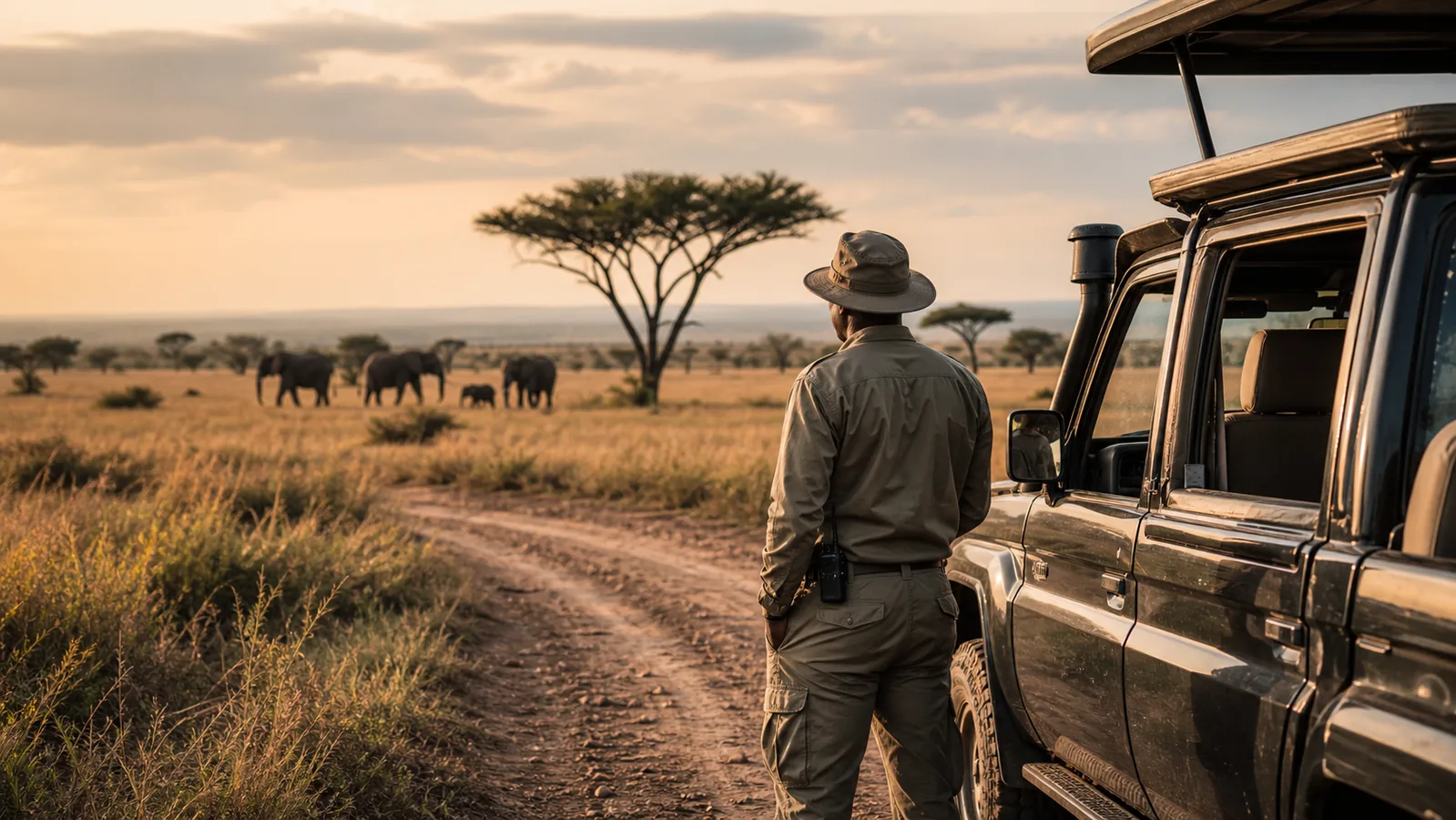
Safari safety begins with wildlife respect. Wild animals are powerful and unpredictable. The most important rule is to listen to your guide at all times. Do not leave the vehicle unless your guide says it is safe. Do not approach animals. Do not feed wildlife. Do not make loud noises to attract attention. Do not stand suddenly in open vehicles near animals.
Good guides understand animal behaviour and know how to manage sightings safely. This is one reason choosing the right safari operator matters.
Road safety is also important. Some safari routes involve long drives and rough roads. Use experienced drivers, properly maintained vehicles, and realistic itineraries. Trying to visit too many parks in too few days can lead to fatigue.
Health preparation matters before travelling. Speak with a travel health professional about vaccinations, malaria prevention, and personal medication. Some safari and coastal areas may require malaria precautions. Bring insect repellent, wear appropriate clothing in the evening, and follow medical advice for your route.
Travel insurance is strongly recommended. It should cover medical emergencies, cancellations, lost luggage, and safari-related disruptions.
In cities such as Nairobi and Mombasa, take normal urban precautions. Avoid displaying expensive jewellery, keep valuables secure, use trusted transfers, and be cautious at night. Most safari travellers move between airports, hotels, and parks with arranged transport, which helps reduce risk.
Booking safety is another key issue. Avoid choosing a safari only because it is cheap. A very low price may mean weak accommodation, poor vehicles, unclear park fees, or unreliable planning. Always confirm what is included and work with an operator who communicates clearly.
Kenya is safe for safari when the journey is planned properly. The wilderness has rules, the roads require patience, and cities require awareness. With the right team behind your trip, you can focus on what you came for: wildlife, landscapes, culture, and the unforgettable feeling of being in Kenya.
Use this guide as a starting point, then speak to Roar Safaris for current availability, realistic routing, lodge options, and pricing for your dates.
Related Guides and Experiences
Continue planning with these connected Roar Safaris resources.